Before SoFi Stadium, before Intuit Dome, before the Forum, there was Inglewood.
The deeper local timeline begins around Centinela Adobe, built in 1834 by Ignacio Machado. The City of Inglewood traces the later settlement to Centinela Ranch: after a railroad station was established, the new community was laid out in 1888. Inglewood incorporated on February 8, 1908.
Those dates matter because modern coverage often tells Inglewood’s story as though the city materialized when professional sports returned. It did not. By the time the twentieth century arrived, Inglewood already had schools, homes, commercial streets and a growing population. The city’s own historical account describes rapid growth in the 1920s and notes that the route of the 1932 Olympic marathon passed through Inglewood. The Olympics, in other words, are returning to a city that already had an Olympic connection nearly a century earlier.
To see the oldest surviving layer, visit the Centinela Adobe complex. The city says it includes the 1834 Adobe, the 1887 Daniel Freeman Land Office and a heritage/research center. The Historical Society’s collection contains more than 12,000 photographs documenting the Centinela Valley. That archive should be one of Be Inglewood’s first research relationships for future historical stories.
Then move forward to the city’s commercial core. Market Street is important enough that Inglewood planning policy specifically calls for maintaining the sense of place in its historic fabric between Regent Street and Hillcrest Avenue. Our Market Street story picks up the timeline there.
The next great landmark in the modern sports era was the Forum. Built in 1966 and opened for its first event in 1967, the Charles Luckman-designed arena became the home of major professional sports and generations of concerts. After rehabilitation, it reopened in 2014 and is recognized on the National and California historic registers. Read the full Kia Forum history for that chapter.
Roadside architecture tells another version of the city. Randy’s Donuts opened on Manchester Boulevard in the 1950s beneath a giant 32½-foot doughnut. Fosters Freeze began in Inglewood in 1946. Brolly Hut still carries an umbrella-shaped roof. Those smaller buildings matter because history is not only what gets a stadium-sized plaque.
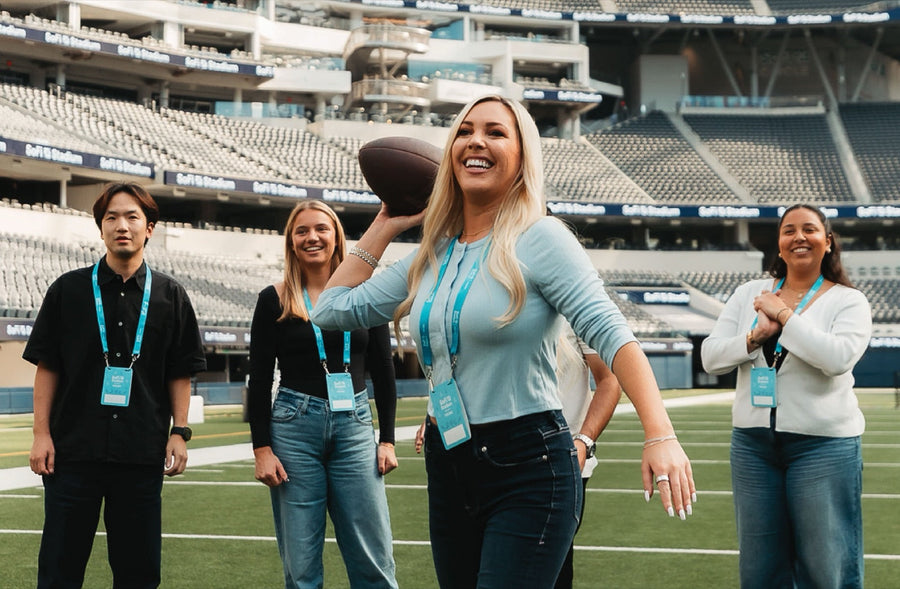
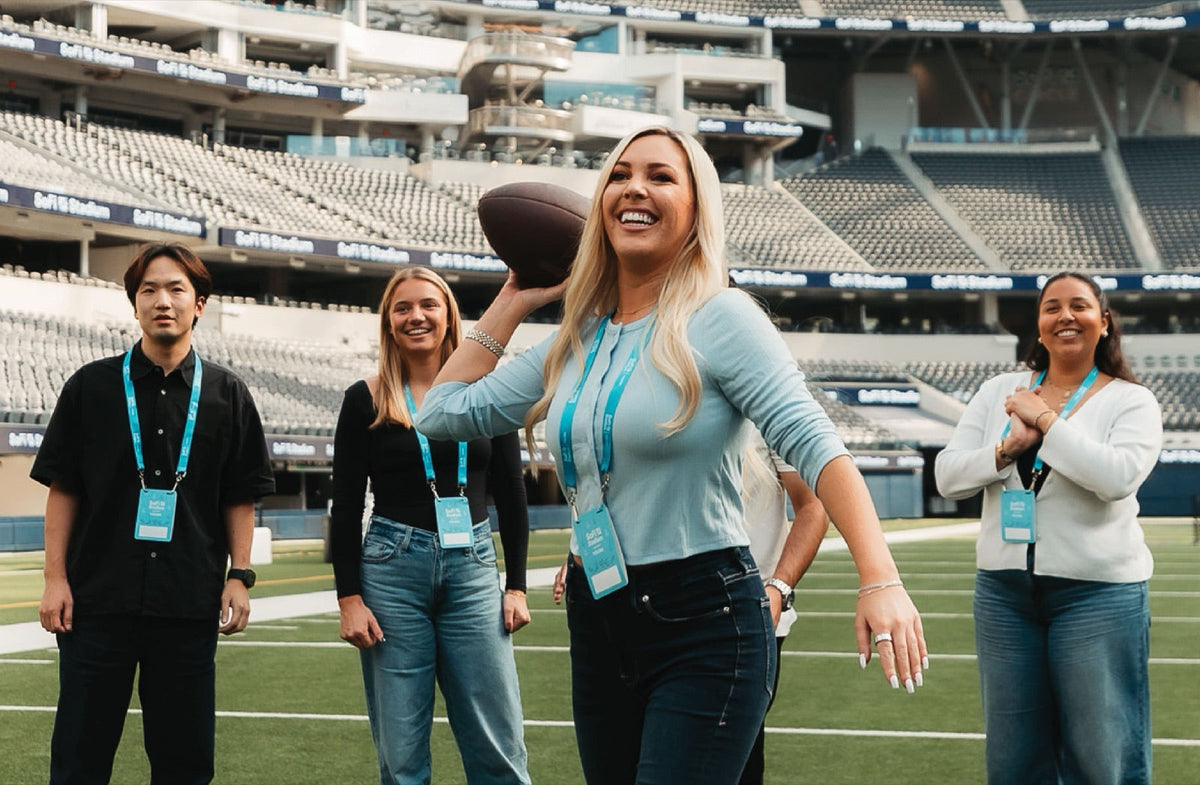
Then came the newest era: SoFi Stadium opened on the former Hollywood Park site, followed by Intuit Dome. SoFi now hosts the Rams, Chargers and some of the largest live events in the region; Intuit Dome became the Clippers’ home and will host Olympic basketball in 2028.
None of that erases what came first.
The most useful way to understand modern Inglewood is to hold both images at once: a city standing at the center of global sports and entertainment, and a city whose history is older, smaller, more complicated and more local than the buildings that now dominate the skyline.
Continue with our Inglewood visitor guide and Randy’s Donuts history to see those layers in person.
Sources: official venue calendars, the City of Inglewood, the Los Angeles Times and LA28 materials as of September 13, 2026. Dates change; confirm with the venue before you go.